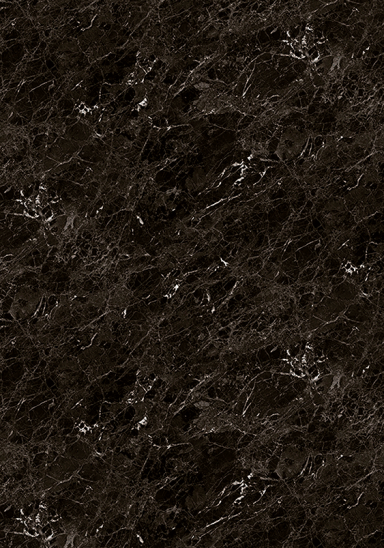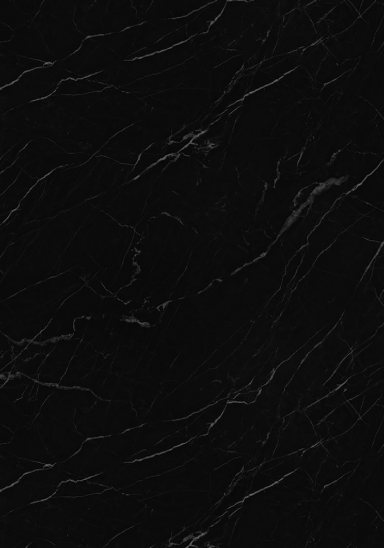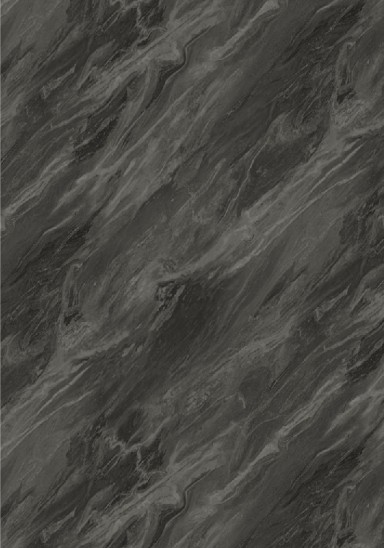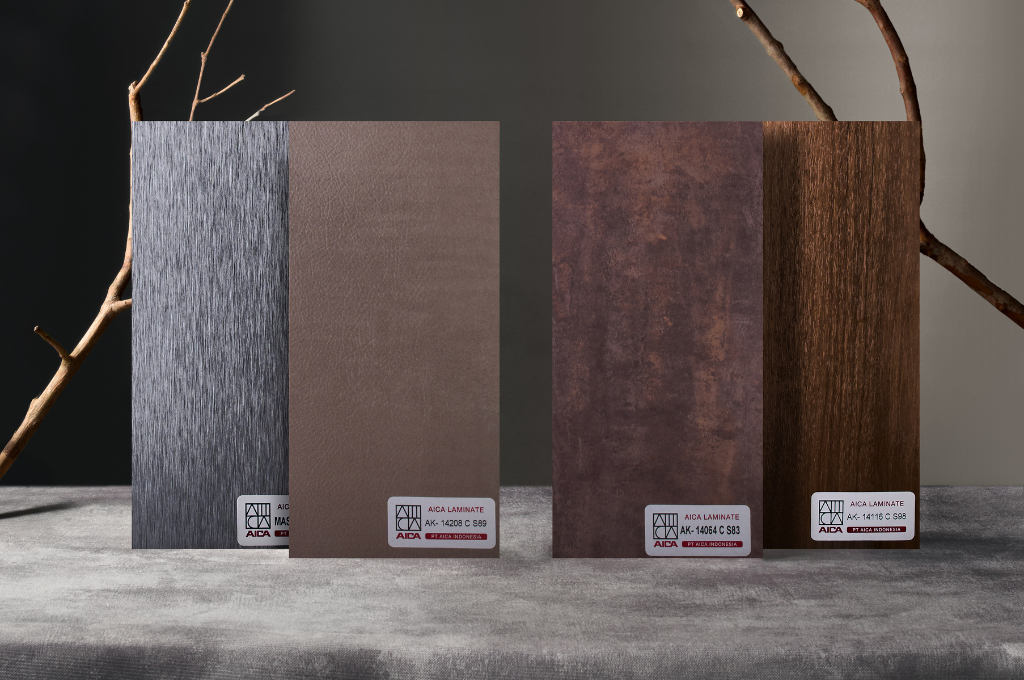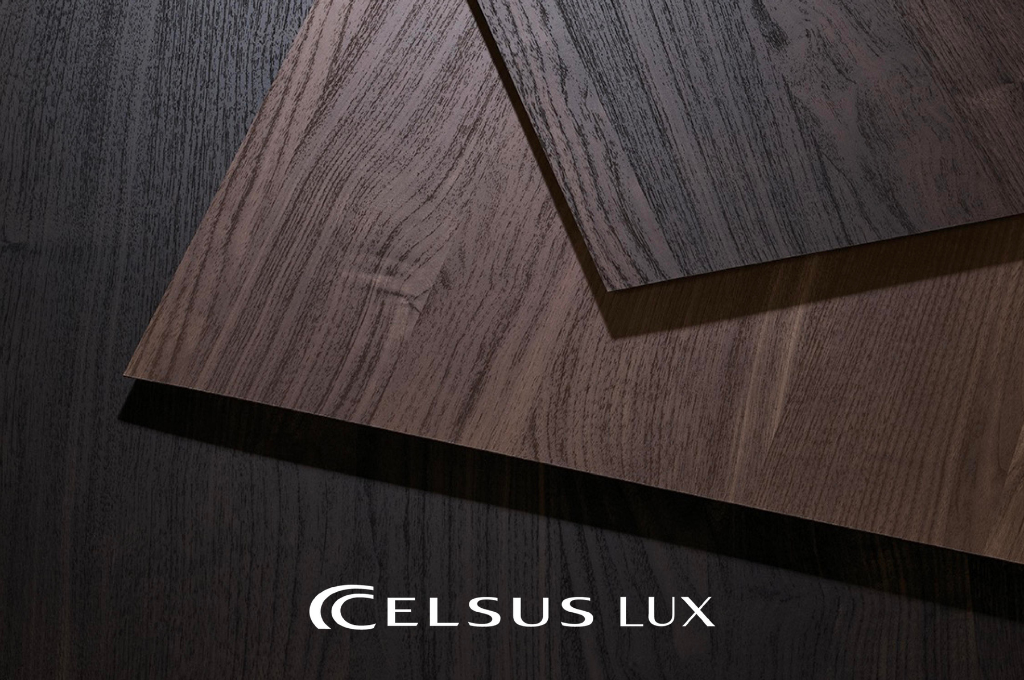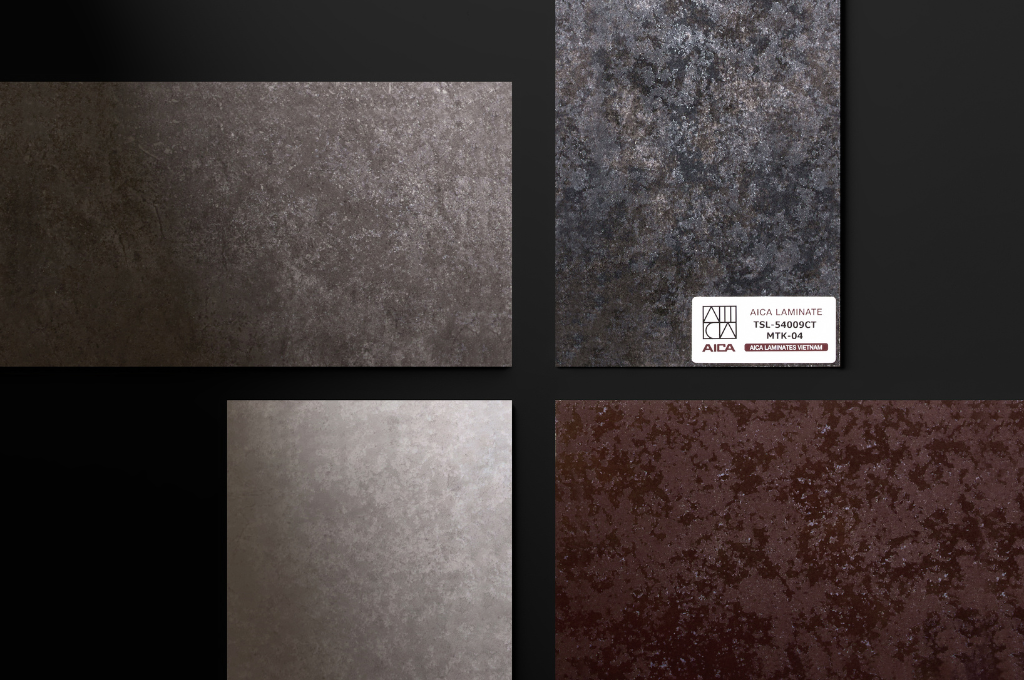


In the world of interior design, veneer is often seen as a material that delivers the look of natural wood at a more affordable price point. It is also widely chosen for its natural appearance and flexibility across various applications, from cabinets, wall panels, and tables to custom furniture.
But what if the desired finish is stone, metal, concrete, or even a solid color? Is there an alternative that can still create a harmonious and realistic look? While veneer is closely associated with natural wood aesthetics, HPL has become a popular choice for those seeking a wider variety of patterns. From stone, marble, and concrete to modern solid colors, HPL offers far more design flexibility for contemporary interiors.
In this article, AICA explores the differences between veneer and HPL, and introduces a new solution for those looking for a more authentic finish.
Veneer is a thin layer of real wood applied to the surface of materials such as plywood or MDF. Because it uses genuine wood, every veneer sheet has its own unique grain and color variation, creating a warm, natural, and premium feel.
Veneer is often used in interior applications that aim to highlight elegance and luxury, such as wall panels, cabinets, tables, doors, and custom-made furniture. However, because it is made from real wood, veneer requires more maintenance to preserve its appearance over time. It also comes with more limited pattern options, as most veneers are only available in wood grain finishes.

HPL, or High Pressure Laminate, is a finishing material made from multiple layers of decorative paper and resin that are compressed under high pressure. Compared to veneer, HPL offers a much wider selection of patterns, including wood, stone, marble, concrete, metal, and solid colors.
In addition to its wider range of designs, HPL also stands out for its practicality and consistency. Unlike veneer, which naturally varies from sheet to sheet, HPL creates a more uniform appearance, making it ideal for projects that require a seamless and synchronized finish across multiple surfaces. HPL is also easy to maintain, easy to clean, and highly suitable for modern interior applications.

That said, many HPL patterns can still appear flat or artificial, making them feel less realistic compared to natural materials. This is where AICA introduces CELSUS LUX.
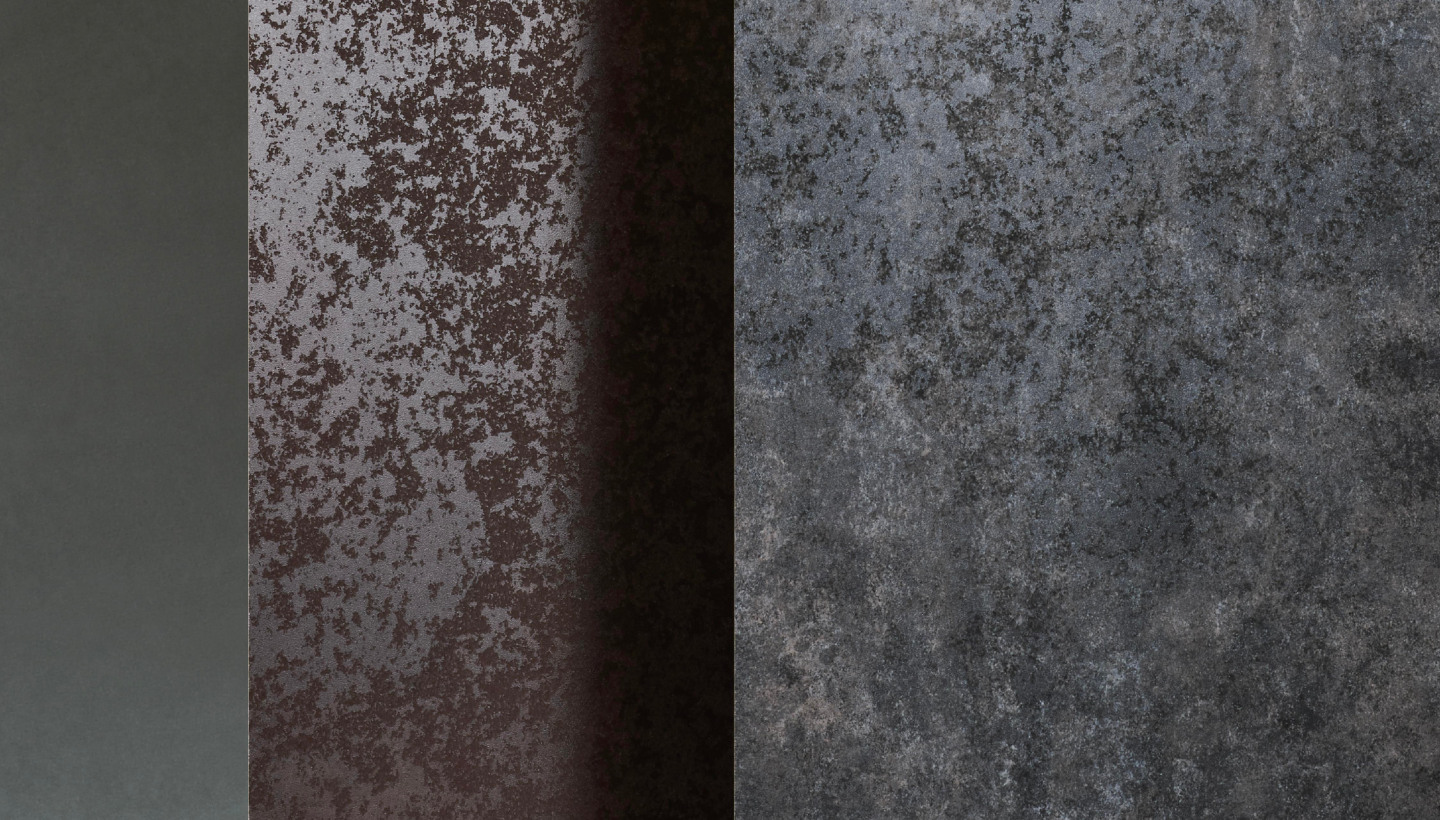
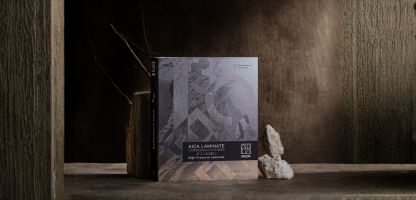
CELSUS LUX is AICA’s latest HPL innovation featuring synchronized textures, where the surface texture follows the selected pattern or motif. This creates a more realistic finish that not only looks authentic, but also feels authentic. Available in three motif categories; Wood, Metal, and Concrete, making CELSUS LUX as an answer to a wider range of interior needs while maintaining a premium and synchronized appearance.

Want to learn more about CELSUS LUX? Click here for more details.
So, AICA friends, are you ready to welcome CELSUS LUX into your next project? Stay tuned to AICA Indonesia’s social media channels for the latest updates.
SHARE