
LANGUAGE

In the world of interior design and furniture manufacturing, material selection plays a crucial role in determining aesthetics, structural strength, and long-term durability. Two materials that are frequently compared are MFC (Melamine Faced Chipboard) and plywood. Both are widely used and highly popular, yet they offer distinct characteristics and serve different purposes.

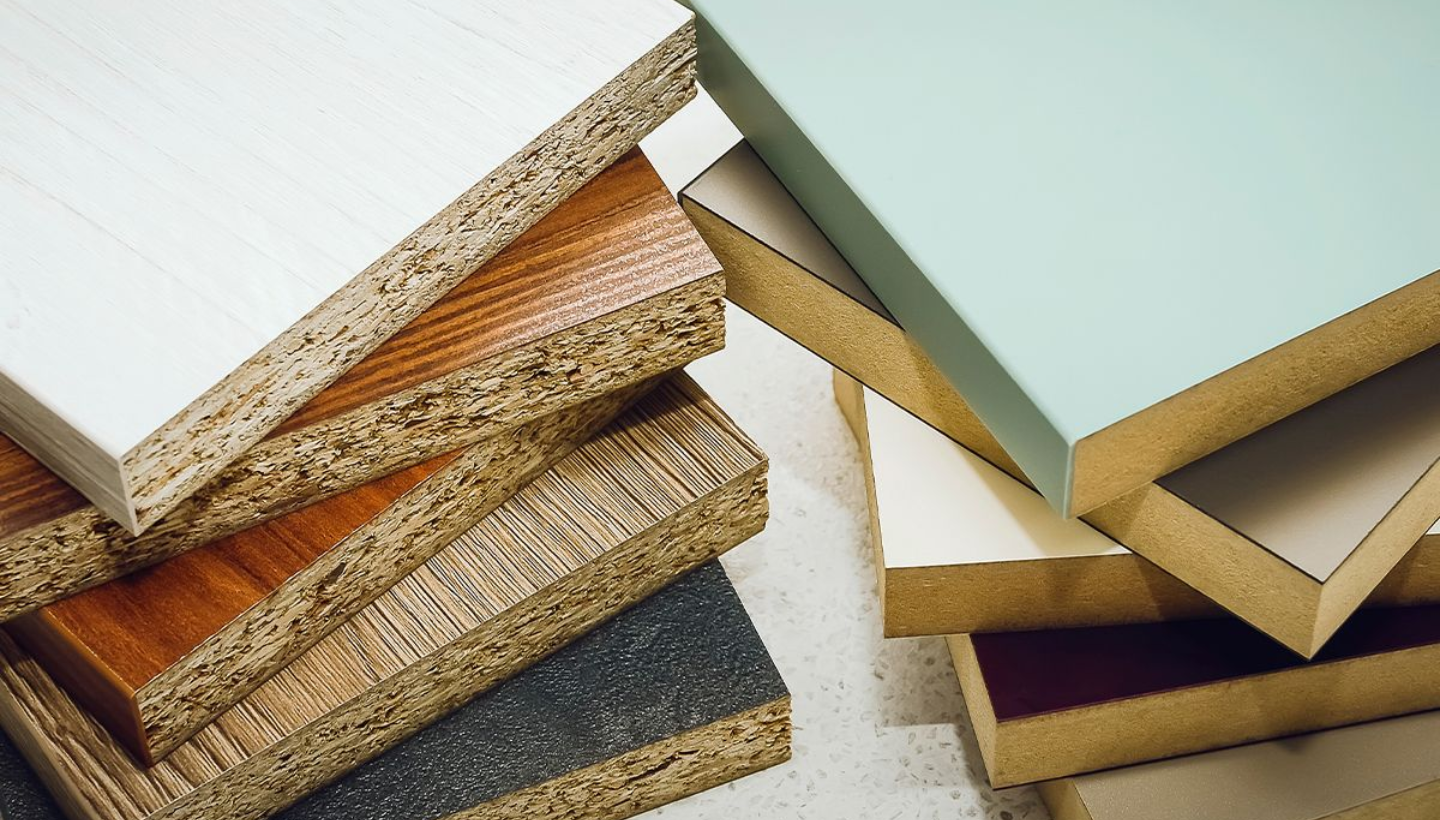
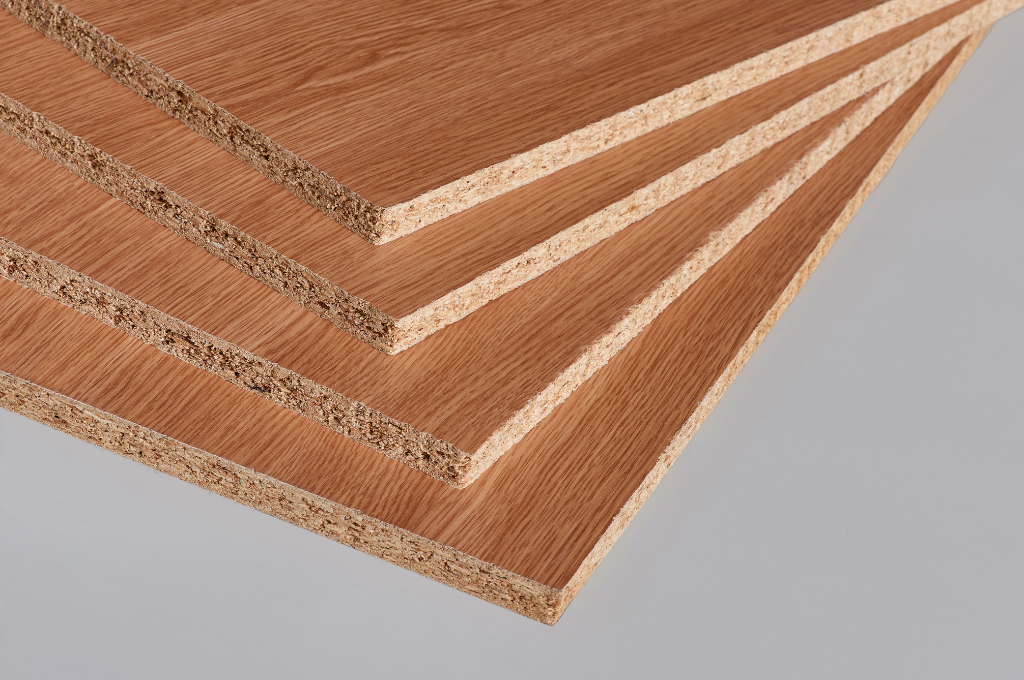
MFC (Melamine Faced Chipboard) is a particle board panel coated with melamine on both sides. This melamine layer creates a smooth, scratch-resistant, and easy-to-clean surface, making MFC a practical choice for various furniture applications. Its key advantages include affordability, a surface that resists minor scratches, a wide range of attractive decorative motifs, and simple maintenance requirements. Because it comes pre-finished, MFC is especially efficient for projects that prioritize speed, consistency, and cost control. 

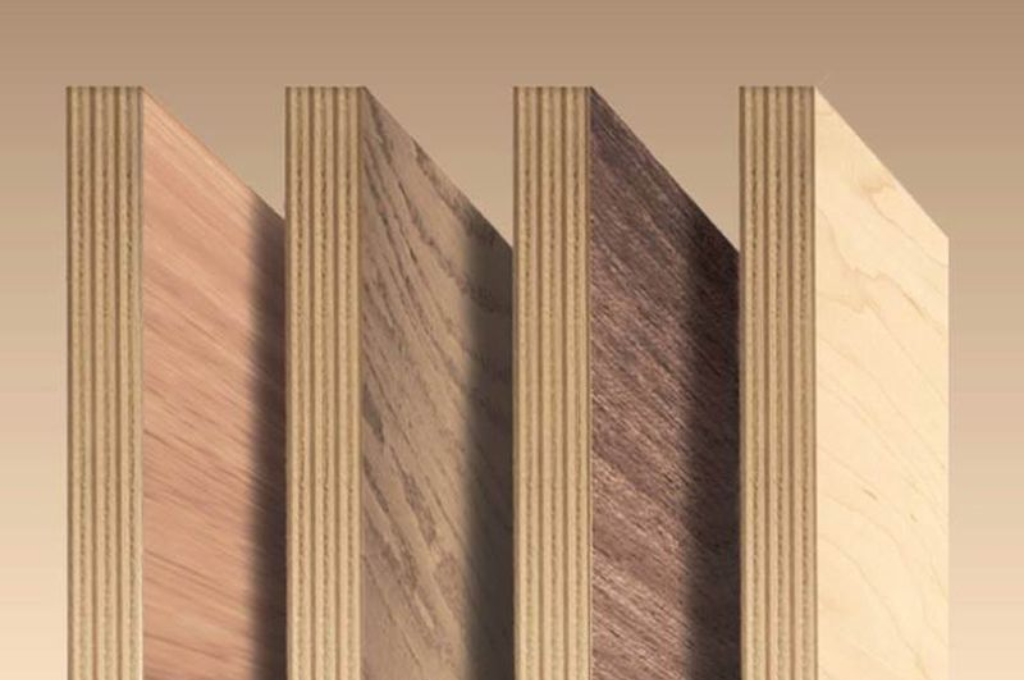
On the other hand, Plywood is a versatile engineered wood panel made from thin layers of wood veneer bonded together under high pressure. The cross-layered construction enhances its structural stability, making it denser and stronger than standard particle board. Plywood is generally more durable, offers better screw-holding strength, and performs well in environments with higher moisture exposure. These qualities make it suitable for heavy-duty construction and structural applications. However, plywood typically requires additional finishing, such as veneer or High Pressure Laminate (HPL), which can increase overall interior project costs. 

 The most significant difference between MFC and Plywood lies in their function and intended use. MFC is commonly applied to furniture in dry areas, such as wardrobes, shelving units, and light-duty desks that do not carry substantial loads. In contrast, plywood is more suitable for cabinet frameworks, lower kitchen units, and areas with potential humidity exposure where greater strength and durability are required.

In simpler terms, MFC is more economical and practical for installation, while plywood offers superior strength and moisture resistance. In many interior projects, designers and contractors do not rely on just one material, but instead combine both strategically. For example, the main cabinet structure may use plywood to ensure maximum stability, while doors or exterior panels utilize MFC to achieve cost efficiency and a clean, polished appearance. This hybrid approach is commonly applied in residential, apartment, and commercial projects to balance performance and budget effectively.

Ultimately, both MFC and plywood have their respective advantages, and neither can be considered universally superior. The ideal choice depends on the function of the space, the expected load, environmental conditions, and the available budget.

By understanding the characteristics of these two materials in depth, AICA friends can make more informed decisions to create interiors that are not only visually appealing, but also strong and built to last. So, choose wisely and ensure your material selection truly supports your design dreams. 

SHARE

YOU MIGHT ALSO LIKE