LANGUAGE

In the world of modern interior design, surface material selection is not only about aesthetics, but also about functionality and comfort in everyday use. AICA Indonesia presents two leading innovations in the High Pressure Laminate (HPL) category: Celsus Flat Line and Celsus LUX. Both feature anti-fingerprint technology, but have different characteristics and advantages to suit interior design needs.

Getting to Know Celsus Flat Line

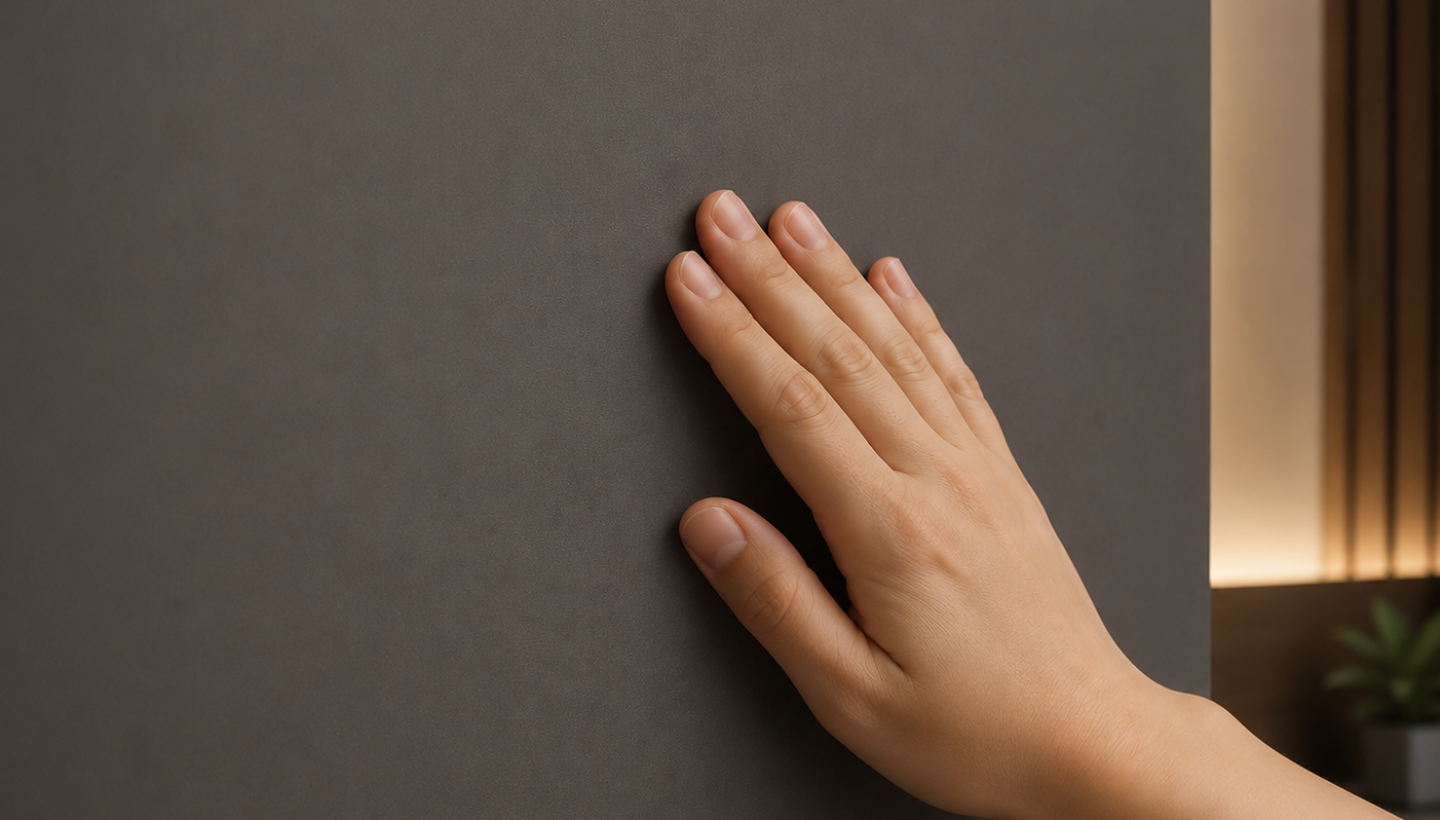
Celsus Flat Line is a development of the Celsus series, designed to provide a more modern and elegant look. Its main characteristic is its satin smooth texture, which is soft and smooth to the touch. The surface has a matte effect that is not too shiny, but still reflects light softly, creating a clean and premium room atmosphere.

One of the main advantages of Celsus Flat Line is its anti-fingerprint technology, which helps reduce the appearance of fingerprints on HPL surfaces. This technology is especially useful for high-touch areas, such as kitchen sets, cabinets, wardrobes, wall panels, and custom furniture. With a satin smooth surface, the contrast between fingerprints and the material is minimized, so the appearance remains clean for longer.

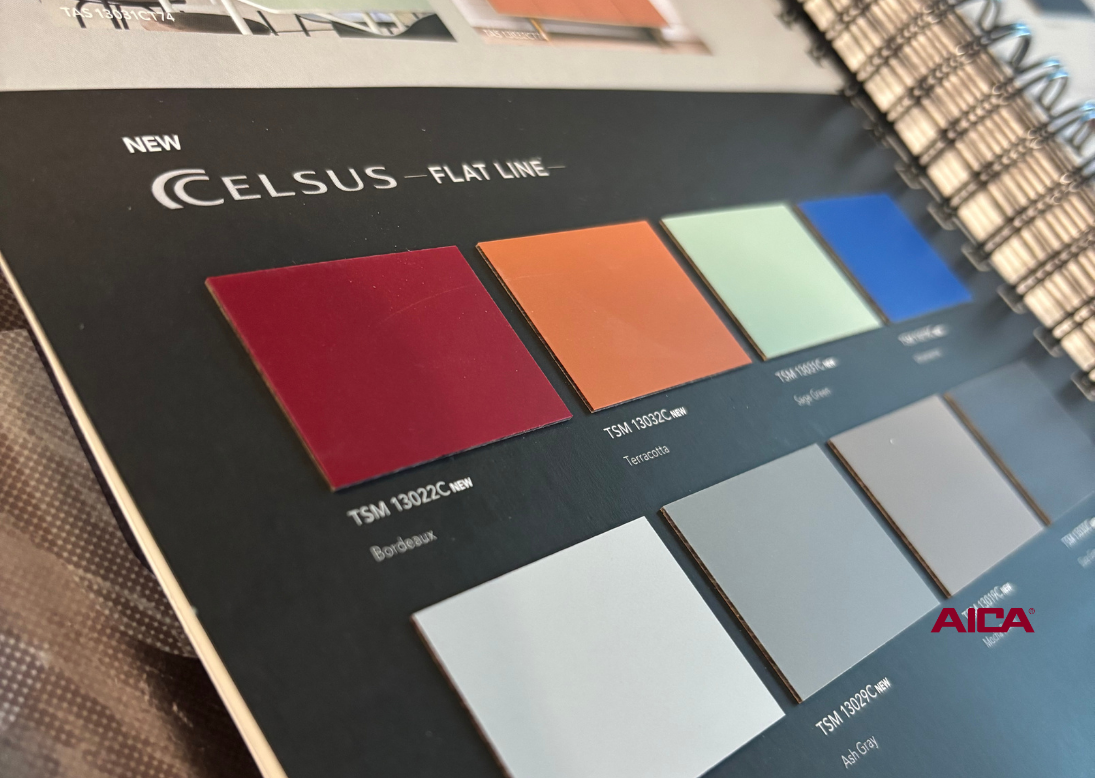
Furthermore, Celsus Flat Line is known for its ease of maintenance, durability, and suitability for various interior design concepts, from modern minimalist, contemporary, to Scandinavian. This product can be identified by its product code beginning with TSM.  

Getting to Know Celsus LUX

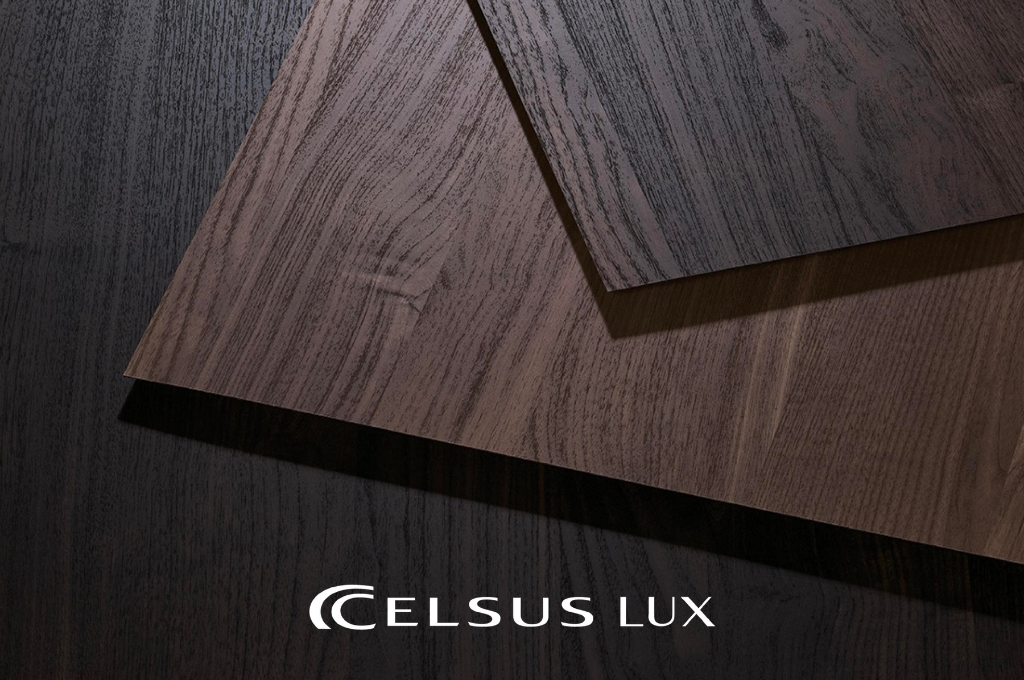
While Celsus Flat Line focuses on a soft satin texture, Celsus LUX offers innovations that prioritize visual realism and material tactile realism. This product is the latest development in the Celsus series, retaining anti-fingerprint technology as one of its key features.

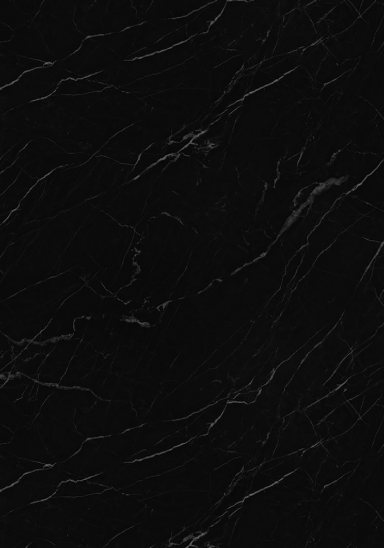
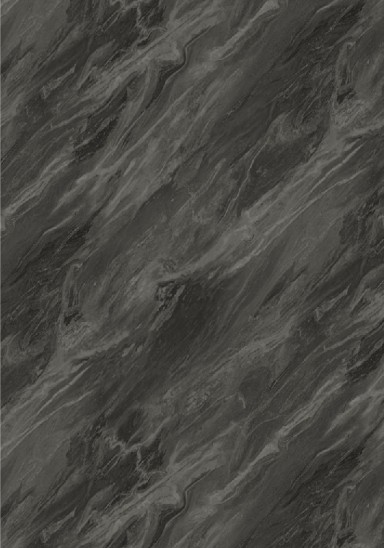
Celsus LUX's greatest advantage lies in its Synchronized Pattern technology. This technology allows the surface texture to follow the displayed visual pattern. For example, when using a wood pattern, the perceived texture also resembles real wood grain. The result is a much more authentic, natural, and luxurious appearance than conventional HPL.

In addition to providing a more realistic visual experience, Celsus LUX also offers resistance to light scratches and temperature changes. Therefore, this material is ideal for decorative walls, interior panels, premium furniture, and commercial spaces that prioritize aesthetics and performance. Celsus LUX can be identified by its product code, which begins with TSL.

Key Differences Between Celsus Flat Line and Celsus LUX

Generally, these two products share similarities in the form of anti-fingerprint technology and premium HPL quality from AICA. However, there are some fundamental differences to note:

Indicator 

Celsus Flat Line 

Celsus LUX 

Surface 

Satin smooth, matte, soft 

Synchronized texture mengikuti motif 

Main Focus 

Clean look 

Real texture and premium visual 

Handfeel 

Soft and smooth 

Resembles the texture of the natural material 

Visual Impression 

Modern, clean, minimalism 

Natural, authentic, and luxury 

Ideal Application 

Kitchen set, cabinet, wardrobe 

Decorative panel, premium furniture and commercial area 

The data shows that Celsus Flat Line is more suitable for users who prioritize a clean, modern matte look, while Celsus LUX is the ideal choice for those who desire a visual and textural experience that resembles natural materials like real wood.

Conclusion

Both Celsus Flat Line and Celsus LUX offer innovative solutions for modern interior needs. Celsus Flat Line excels with its elegant, smooth satin texture and fingerprint-reducing properties, while Celsus LUX features synchronized texture technology that creates a natural, premium feel. The choice between the two can be tailored to your design concept, the character of the space, and the desired visual experience. With the quality and technology they offer, both products are the perfect choice for creating aesthetically pleasing, functional, and classy interiors.

SHARE

YOU MIGHT ALSO LIKE