

Eid al-Fitr is a special moment for Muslims in Indonesia. Besides marking the end of a month of fasting during Ramadan, the celebration is also closely associated with various Eid traditions that have been passed down from generation to generation. These traditions are not just habits; they are an important part of Indonesia’s cultural identity. Here are five unique Indonesian Eid traditions that people look forward to every year.

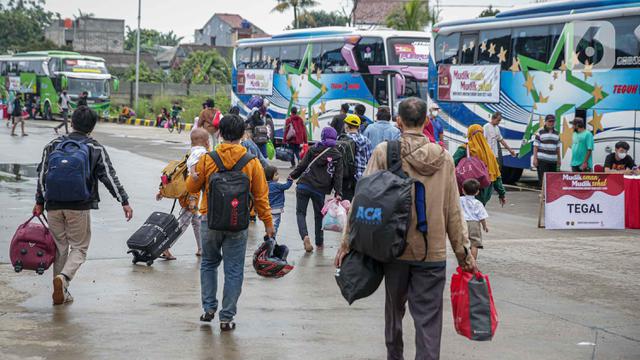
One of the most well-known Eid traditions in Indonesia is mudik, the annual journey of returning to one's hometown. Every year, millions of people travel from the cities where they work back to their hometowns to celebrate Eid with their families.
Mudik is more than just a trip home; it is a meaningful moment to reconnect with parents, relatives, and old friends. Despite long traffic jams and exhausting journeys, people remain enthusiastic about this tradition because it allows them to reunite with their loved ones.

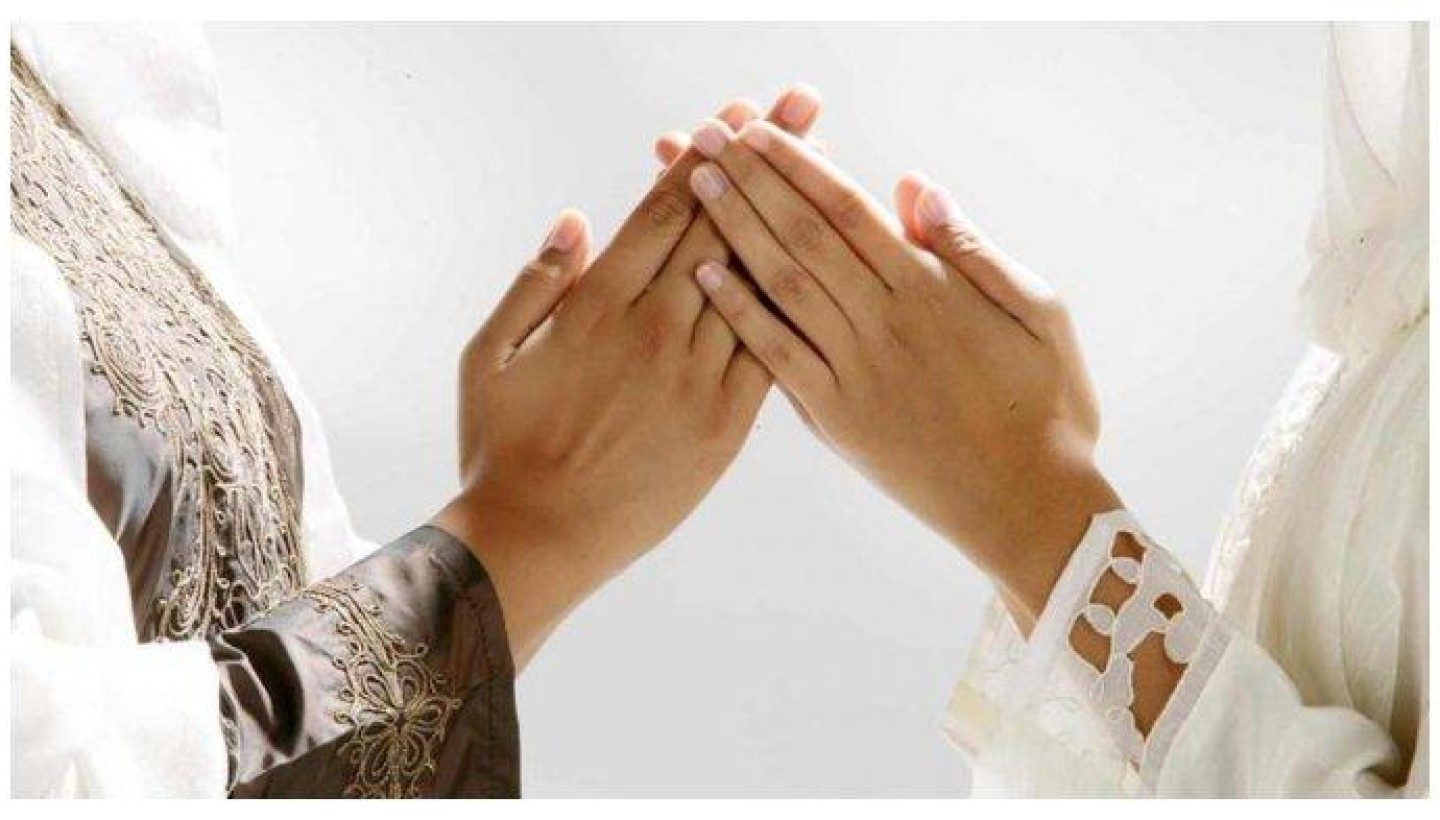
Halal bihalal is a uniquely Indonesian Eid tradition centered around forgiveness and reconciliation. After performing the Eid prayer, families and communities usually visit each other to ask for and grant forgiveness.
During halal bihalal gatherings, people shake hands and express apologies for any mistakes made throughout the year. This tradition helps strengthen social relationships and creates a warm atmosphere of togetherness after Ramadan.

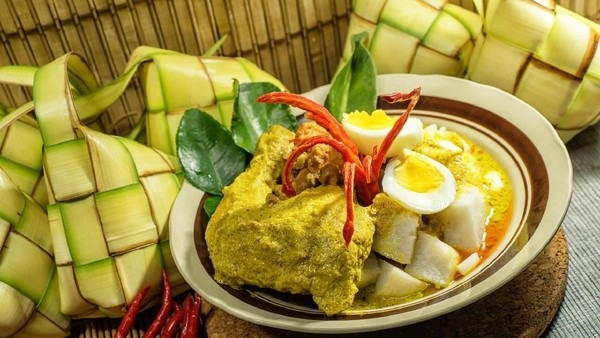
Eid celebrations in Indonesia are also known for their delicious traditional dishes. Some foods that are almost always served during Eid include ketupat (rice cakes wrapped in woven palm leaves), opor ayam (chicken cooked in coconut milk), rendang, and sambal goreng ati.
Preparing these dishes is an essential part of Eid traditions in many Indonesian households. Families often cook together before the celebration, turning the preparation process into a moment of bonding and shared joy.

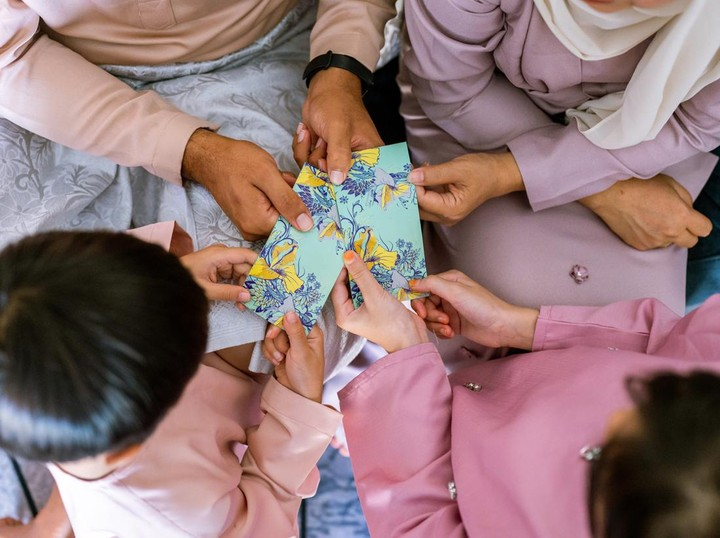
Another popular Eid tradition is giving THR (Tunjangan Hari Raya), or holiday allowance, especially to children and younger family members. The money is typically placed in small envelopes and distributed by parents, uncles, aunts, or older relatives.
This tradition brings excitement to children and symbolizes sharing happiness and blessings during the festive season. Many families even prepare decorative envelopes to make the moment more festive and memorable.

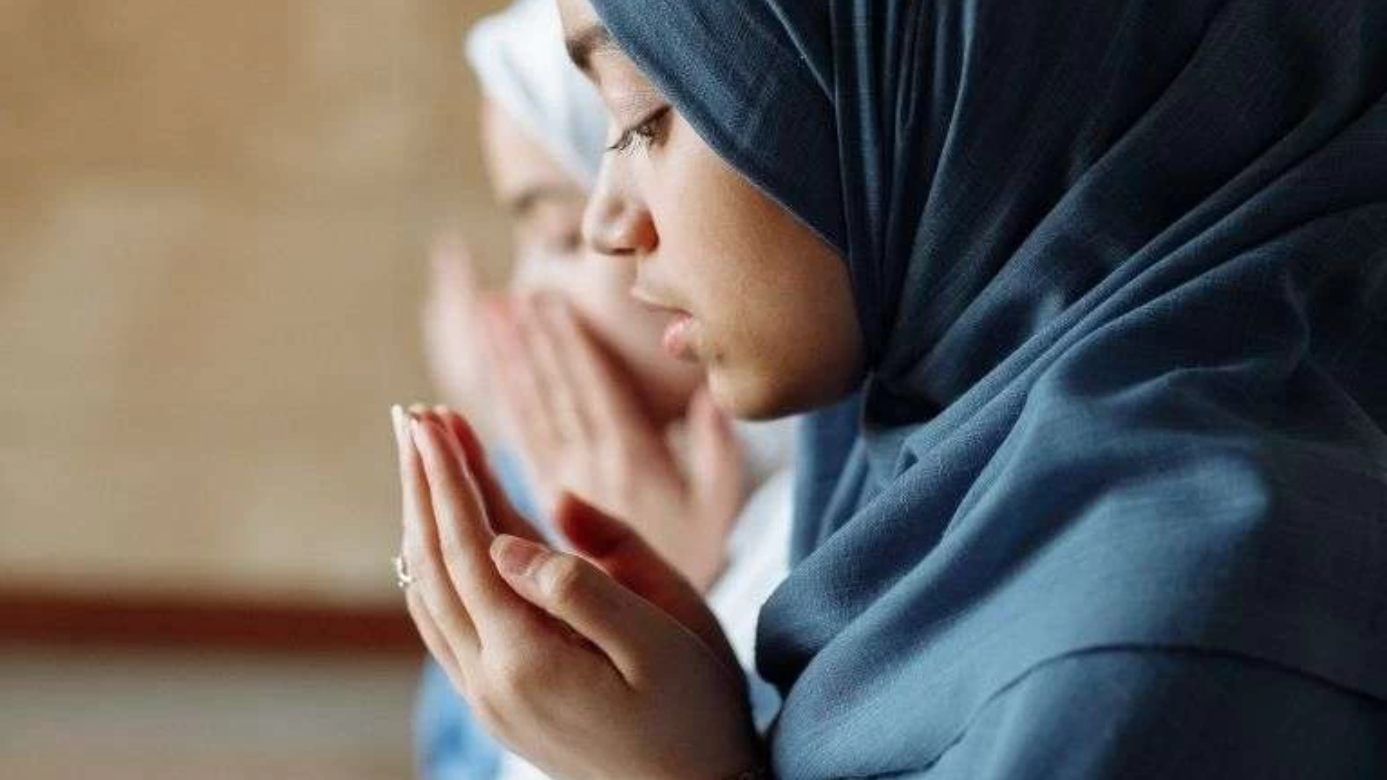
Visiting the graves of deceased family members is also a meaningful Eid tradition practiced by many Indonesian families. This activity is usually done before or after Eid al-Fitr.
During this visit, families clean the graves, scatter flower petals, and offer prayers for their loved ones who have passed away. This tradition serves as a moment of reflection and remembrance, reminding people to honor family ties and appreciate those who came before them.
The many Eid traditions in Indonesia highlight the country’s strong values of togetherness, family bonding, and forgiveness. From mudik to halal bihalal, each tradition carries a deep meaning that makes the Eid celebration even more special.
It is no surprise that people eagerly await this festive season every year. By preserving these Eid traditions, Indonesians not only celebrate a religious holiday but also strengthen the cultural and social bonds that connect generations.
Which one is your favorite, AICA friend?
-
PT AICA Indonesia wishes you a Happy Eid al-Fitr, 1 Shawwal 1447 Hijri. We sincerely apologize for any mistakes made. May all our acts of worship and good deeds during Ramadan bring blessings and happiness in the future. Let's make Eid al-Fitr a moment to forgive each other and purify ourselves. Enjoy gathering with your beloved family, Aica friends!
SHARE